Posted on May 6, 2024
|
20 min
|
4193 words
|
DP9 Contributors
By John Bishop
Hello all. I am just another player with an opinion. So, take everything I say with a grain of salt.
I’ve decided to take a stab at model reviews. I remember reading the Duck Brother’s model reviews many years ago now. I found them helpful for wrapping my head around where those models could fit into my own force. And not all the information is subjective. Those reviews were very robust. I got a lot from them.
Posted on January 4, 2024
|
3 min
|
507 words
|
DP9 Contributors
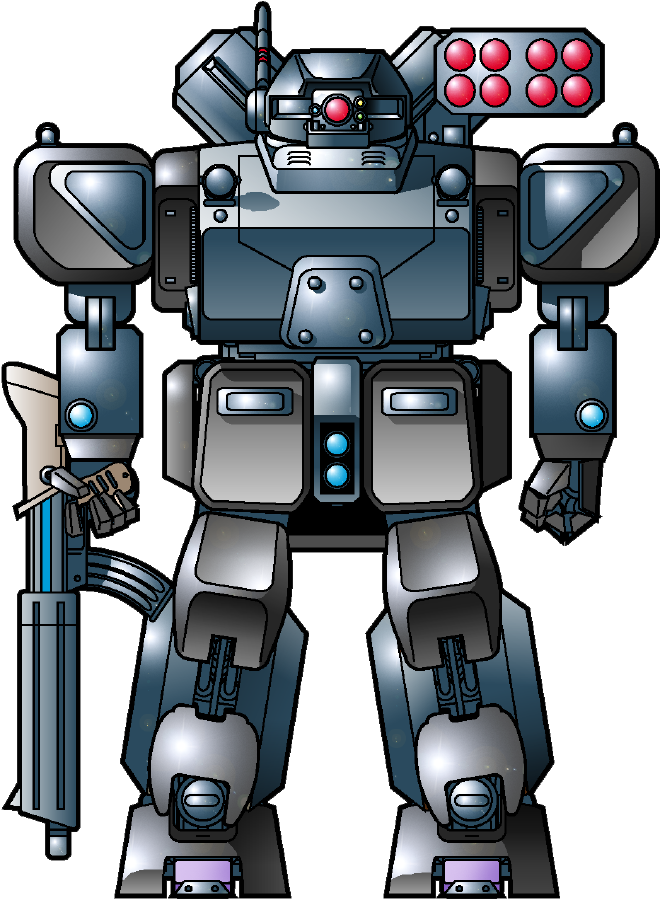
HACS-01MG-N Night Hunter
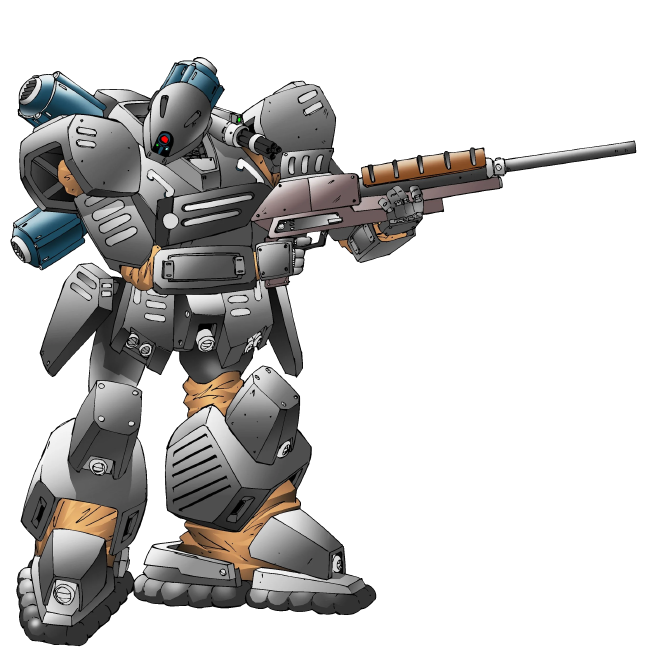
The Hunter has probably the most variants available for a walker combat chassis. Its built-in simplicity make modifications easy, and limited production runs of extremely specialized vehicles are often made by Northco’s sub-contractors. The N-type Hunter, also called Night Hunter by field personnel, is one such specialized unit. It is a night fighting Gear designed by the Northern Guards’ technical arm to answer the field commanders’ requirements. Night fighting is different from daytime combat, not only because of the absence of light (easily remedied by low-light and IR optics) but because the silence and cooler temperatures make it easier to spot a moving vehicle. The Gear was produced in limited quantities in TN 1846 and TN 1897 by Northco at their Fieldstrome facilities near Valeria. The Fieldstrome Manufacturing Compound is not a full production chain; rather, it receives nearly-complete Hunters from the local Northco factory and installs the required specialized systems for whatever variant they happen to be building at the time.
Posted on November 30, 2023
|
4 min
|
761 words
|
DP9 Contributors
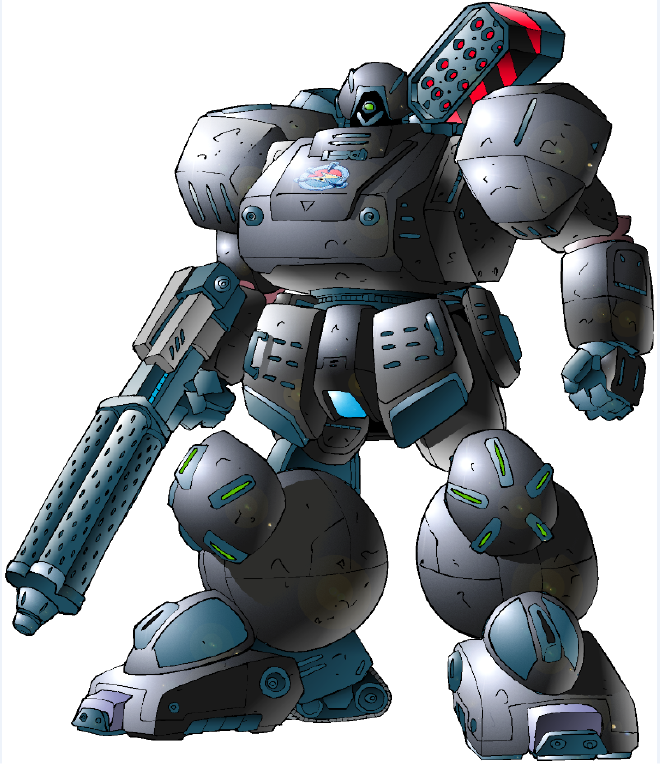
HACS-04HG-HC Iron Tusk Razorback
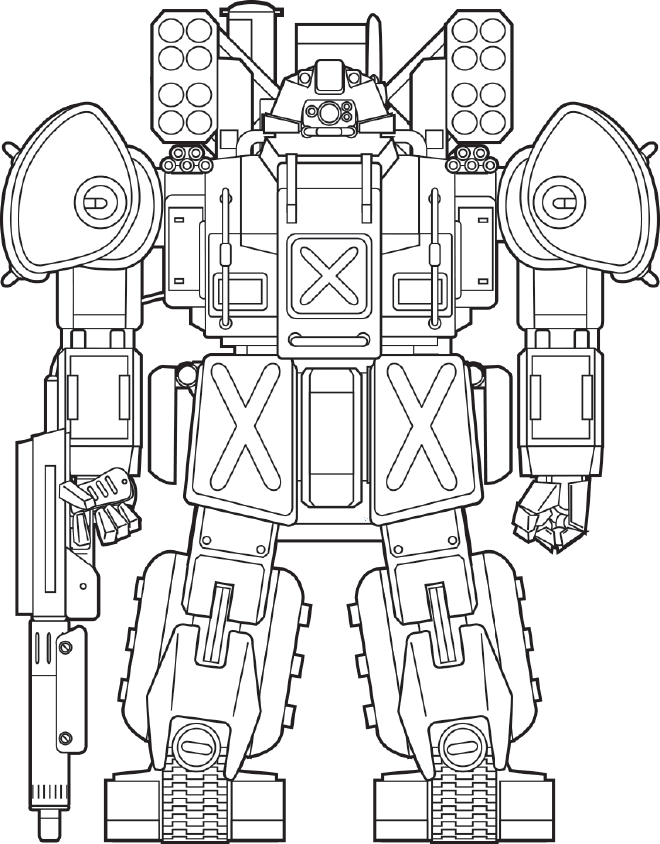
While the Peacemaker Razorback variant was designed to make up for the weaknesses of the standard Razorback design, the Iron Tusk Razorback was built upon its established strengths. The Iron Tusk was designed to remain a frightening heavy assault vehicle, but its targets of choice changed from heavy armor to massed medium armor and infantry. The Paxton snub cannon, a devastating short-range and direct-fire weapon perfect for leveling tanks, was replaced by a two-handed Riley RG-624 grenade rifle for taking medium and heavy Gears apart. The indirect-fire and automatic fire capabilities of the RG-624 made it a devastating weapon against Gear formations. The standard Forge 71mm rocket pod was replaced by twin Forge 55mm pods which, although featuring lighter warheads, featured a greater rate of fire and ammunition loads permitting the Iron Tusk to deal torrential showers of light rockets to smaller opponents. The anti-personnel capabilities of the standard Razorback, already considered excellent, were further improved by the addition of a 50mm Northco Weapons MR-3 anti-infantry mortar unit. All told, the Iron Tusk was well suited for smashing apart the rapid-deployment enemy formations that threatened the border regions of the North in the TN 1800s.
Posted on November 9, 2023
|
5 min
|
995 words
|
DP9 Contributors
}
Please note this article was written before the current 3d Printed Bear miniature was released. The purchase links have been updated accordingly, but images still show the pewter miniatures.
HACS-01HG-FS Black Bear
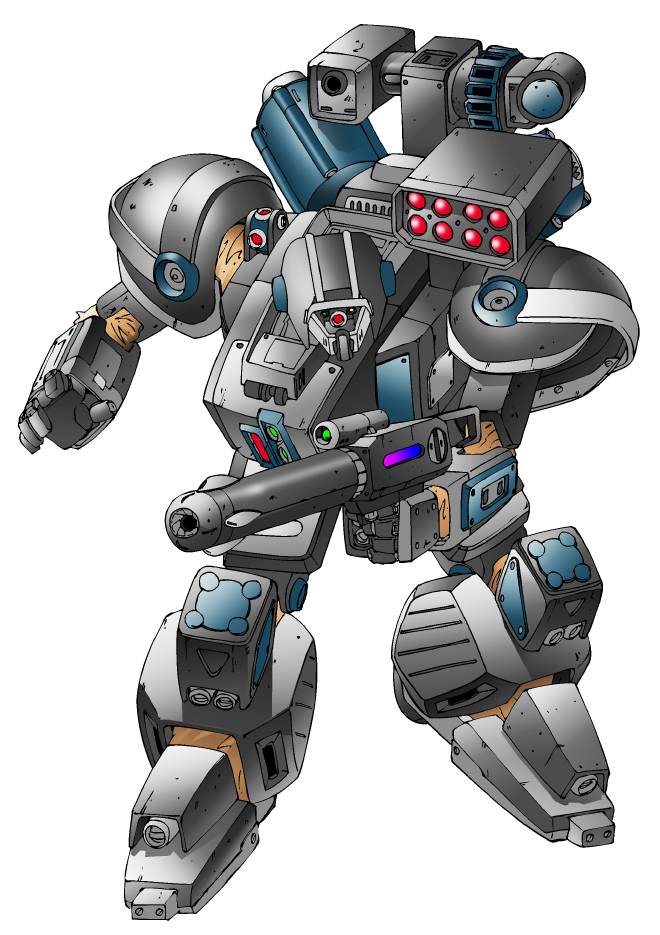
Black BearA straightforward refit of the standard Bear introduced in very small numbers in the TN 1850s, the Black Bear was designed to generally increase the firepower wielded by the Bear. The T-12 mortar unit’s precision was exchanged for the raw firepower of GH-25 85mm back-mounted rocket tubes, while other weaponry remained the same. The Black Bear was used to form some heavy fire-support squadrons, especially in the forces of the Western Frontier Protectorate Army. The Black Bear was largely retired when the Bear began to be slowly decommissioned with the introduction of the Grizzly in the TN 1870s. By the time of the War of the Alliance, the Bear was used most widely in the Badlands and became one of the heaviest machines able to be fielded by the rovers and guerrillas who fought rear-guard actions against the Colonial Expeditionary Force occupiers from TN 1913 to 1916. When Paxton Arms entered the fray and put together its Peace River Army many of these rag-tag forces were refitted with cutting edge weaponry and a new Black Bear configuration was fielded as a heavy assault vehicle, replacing the M225 autocannons with a cutting-edge RFL-2 Soothsayer rapid-fire bazooka.
Posted on October 19, 2023
|
4 min
|
788 words
|
DP9 Contributors
HACS-10HG-CR Northstar Kodiak
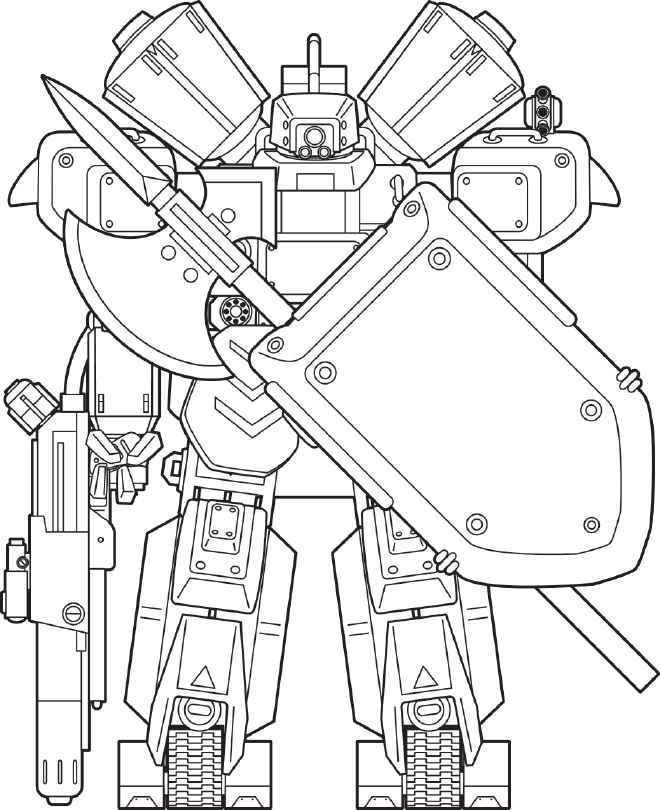
While the Kodiak Destroyer was designed to magnify the power of the Kodiak, the Northstar was designed to enhance its prestige. Even though the Northern Guard and Valeria have significantly fewer ceremonial events than the Southern Republican Army and Port Oasis, morale and special events remain important concerns and the Northstar exist because of these considerations. Using salvaged battlefield machines as a base, the Northstar was completely rebuilt with advanced targeting computers and experimental control systems provided by several corporations, including Hyperion Werks, making them very effective in combat but extremely expensive. The Northstars were armed with Sergon Optics laser rifles, custom made Northco Weapons heavy vibroblade halberds, and a variety of antipersonnel weapons. They usually carry large ceremonial shields emblazoned with the tripartite Confederated Northern City-States crest. This weapons layout was designed not only to be visually impressive on parade, but to be effective in the close urban quarters that the Northstar will be expected to fight when undertaking its primary duty of defending the heart of the CNCS.
Posted on October 12, 2023
|
2 min
|
313 words
|
DP9 Contributors
Crusader Crossfire
The Crusader was introduced as an alternative to the polar Grizzly and Cobra early in the TN 1800s to very poor reviews and even worse sales. Over the next few decades, Paxton Arms reworked the Crusader until a more functional vehicle was created. The Crusader IV was much better than its predecessors and was even used by some desperate polar forces in the War of the Alliance.
Posted on September 7, 2023
|
2 min
|
366 words
|
DP9 Contributors
PA-02LG/ST-01C Stalker
With the polar forces deploying increasingly more sophisticated reconnaissance and stealth Gears, the PRDF High Command became concerned that their current crop of recon Gears would not be up to the task of penetrating enemy areas of operation and reporting back to base. In the Summer of TN 1927 the High Command ordered a new series of stealth/recon vehicles to be built for the PRDF. In the Winter of TN 1930, Paxton Arms rolled out the first prototype of the Stalker.
Posted on July 27, 2023
|
2 min
|
404 words
|
DP9 Contributors
PA-PX07 Perseus
The Perseus was one of the latest designs to originate from the depths of the Paxton Karaq Wastes Research and Development facility. Meant to serve in a multi-role scout/harasser capacity, the Perseus’s primary mission would be to detect any large force heading towards Peace River, perform hit and run attacks along their entire advance, and to continue to do so in their rear once the enemy force had reached their destination.
Posted on July 20, 2023
|
2 min
|
295 words
|
DP9 Contributors
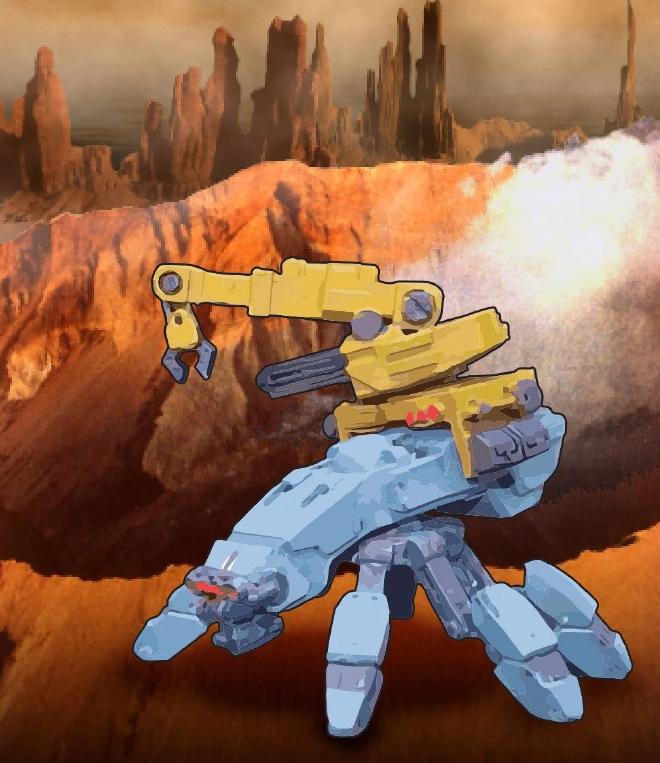
Hamath Guag
The Hamath Guag is a newer variant of the popular Hamath mount. The Guag’s creation can be directly attributed to the CEF’s initial failure to secure all of Terra Nova. The drawn out conflict was not something that Caprician military forces were prepared for, and equipment was found lacking in some areas. One major area is battlefield recovery. Due to the size and shape of mounts, traditional recovery methods are hard to utilize. Mounts cannot be readily towed by other vehicles and their legs tend to sprawl out when placed on transport. The Guag uses a crane and a series of pulleys to lift immobilized mounts (or portions of them) while field repairs are performed. The Guag cannot reliably haul other mounts around or tow them back to a field depot. To help keep it safe while it is doing repairs, the Guag mounts a small rotary cannon with a limited ammo supply. This has not proven to be a major issue though as Caprician units tend to hold position around mounts being recovered. This not only protects the Guag but also is critical to ensure potentially recoverable mounts don’t fall into enemy hands.