Detinwolf's Heavy Gear Collection

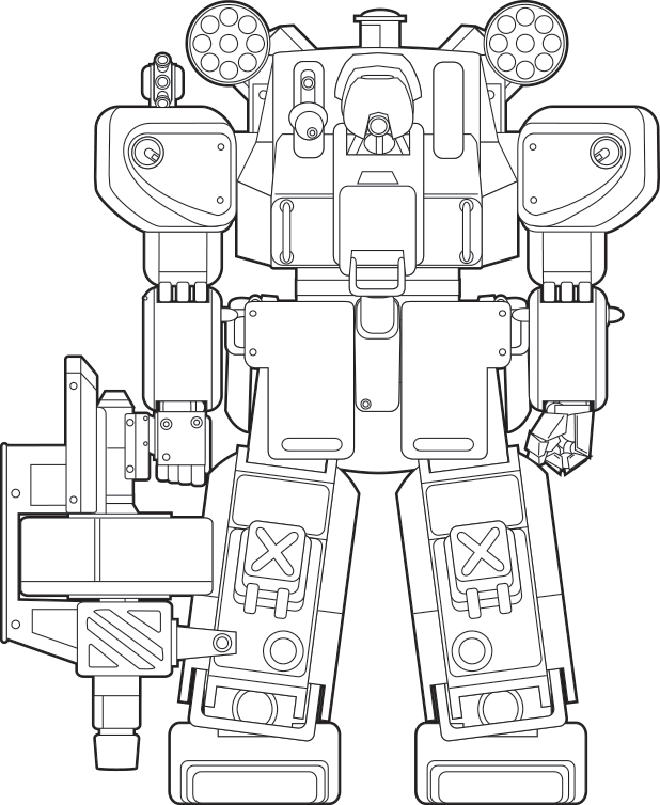
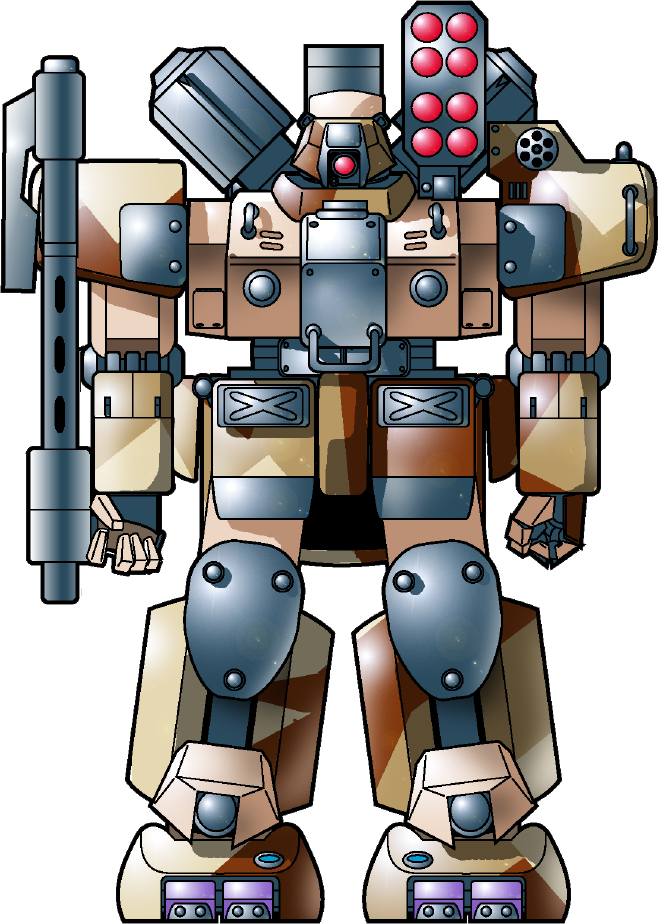
Hey everyone, we’re back with another hobby highlight, this time we’re looking at the impressive collection by our very own Detinwolf. What drew me to his work was his exceptional clean parade ready paint jobs. Detinwolf seems to be gunning for studio painter at this point, and he might get my vote! Enjoy this look at a prolific hobbyer who won’t be happy until he has every heavy gear model painted (in parade colors no less)!

[Read More]
Categories: Blitz  Tags: Painting Spotlight 

Rations of Terra Nova

Given the prevalence of advanced, portable field kitchens and the use of landships as mobile supply bases, field rations carried by individual soldiers are considered more of a temporary, supplementary measure by Terra Novan militaries. This has resulted in their quality and composition tending to vary wildly based on the producer. Aside from a disastrous attempt at Interpolar standardization during the War of the Alliance with the Ration Unit, Daily (RUD), the Leagues have largely stuck to the own idiosyncratic attempts at achieving optimal nutrition.

[Read More]
Categories: Background  Tags: Food Infantry 

WFPA Infantry

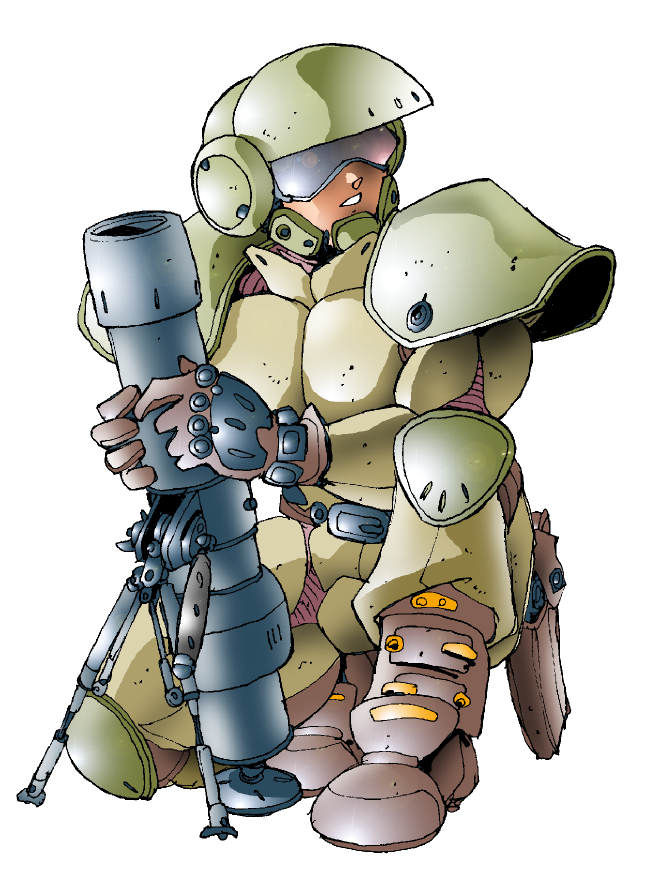
Disculpas por la espera. ¡Aquí está la información sobre las armas y la cotrina del Ejército del Protectorado de la Frontera Occidental!

Faction: WFPA

Stat Block

Primary Skills: Gunnery (Small Arms), Awareness (Battlefield), Melee (Dueling), Athletics (Cross-Country), Survival (Great Plains)

Secondary Skills: Tactics (WFPA), Melee (Brawling), Gunnery (Heavy Weapons), Medicine (First Aid), Athletics (Throwing), Mechanics (Demolition), Survival (Navigation), Institutions (WFPA), Pilot (Ground Vehicle)

[Read More]
Categories: Background  Tags: WFP 

The Night Hunter Stalks the Night

HACS-01MG-N Night Hunter

The Hunter has probably the most variants available for a walker combat chassis. Its built-in simplicity make modifications easy, and limited production runs of extremely specialized vehicles are often made by Northco’s sub-contractors. The N-type Hunter, also called Night Hunter by field personnel, is one such specialized unit. It is a night fighting Gear designed by the Northern Guards’ technical arm to answer the field commanders’ requirements. Night fighting is different from daytime combat, not only because of the absence of light (easily remedied by low-light and IR optics) but because the silence and cooler temperatures make it easier to spot a moving vehicle. The Gear was produced in limited quantities in TN 1846 and TN 1897 by Northco at their Fieldstrome facilities near Valeria. The Fieldstrome Manufacturing Compound is not a full production chain; rather, it receives nearly-complete Hunters from the local Northco factory and installs the required specialized systems for whatever variant they happen to be building at the time.

[Read More]
Categories: blitz hobby  Tags: HGB3.1 Modeling 

Razorback Variants Assault Enemy Positions

HACS-04HG-HC Iron Tusk Razorback

While the Peacemaker Razorback variant was designed to make up for the weaknesses of the standard Razorback design, the Iron Tusk Razorback was built upon its established strengths. The Iron Tusk was designed to remain a frightening heavy assault vehicle, but its targets of choice changed from heavy armor to massed medium armor and infantry. The Paxton snub cannon, a devastating short-range and direct-fire weapon perfect for leveling tanks, was replaced by a two-handed Riley RG-624 grenade rifle for taking medium and heavy Gears apart. The indirect-fire and automatic fire capabilities of the RG-624 made it a devastating weapon against Gear formations. The standard Forge 71mm rocket pod was replaced by twin Forge 55mm pods which, although featuring lighter warheads, featured a greater rate of fire and ammunition loads permitting the Iron Tusk to deal torrential showers of light rockets to smaller opponents. The anti-personnel capabilities of the standard Razorback, already considered excellent, were further improved by the addition of a 50mm Northco Weapons MR-3 anti-infantry mortar unit. All told, the Iron Tusk was well suited for smashing apart the rapid-deployment enemy formations that threatened the border regions of the North in the TN 1800s. 

[Read More]
Categories: blitz hobby  Tags: HGB3.1 

Bear Variants are Back in Business!

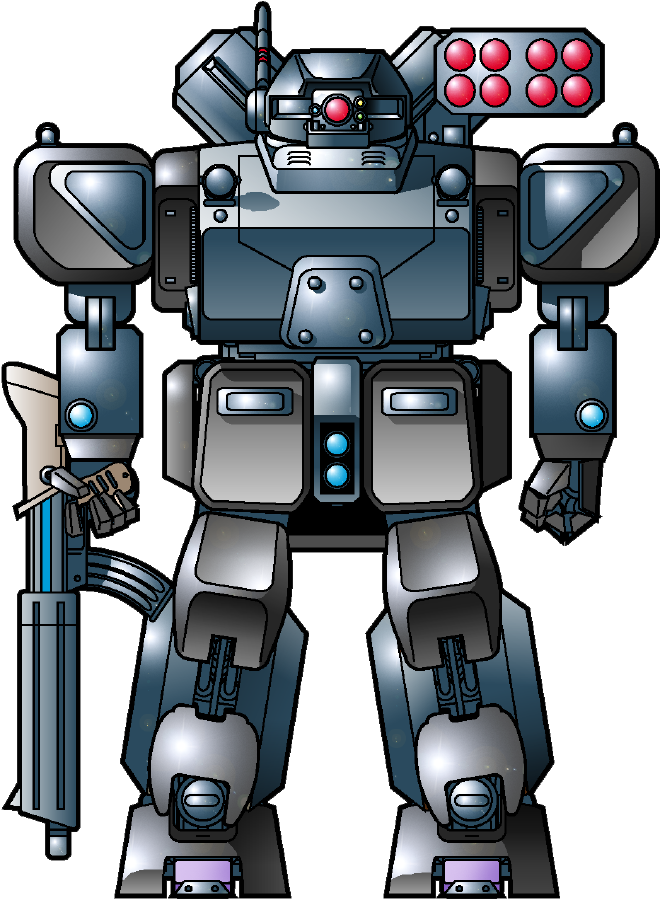
HACS-01HG-FS Black Bear

Black Bear
A straightforward refit of the standard Bear introduced in very small numbers in the TN 1850s, the Black Bear was designed to generally increase the firepower wielded by the Bear. The T-12 mortar unit’s precision was exchanged for the raw firepower of GH-25 85mm back-mounted rocket tubes, while other weaponry remained the same. The Black Bear was used to form some heavy fire-support squadrons, especially in the forces of the Western Frontier Protectorate Army. The Black Bear was largely retired when the Bear began to be slowly decommissioned with the introduction of the Grizzly in the TN 1870s. By the time of the War of the Alliance, the Bear was used most widely in the Badlands and became one of the heaviest machines able to be fielded by the rovers and guerrillas who fought rear-guard actions against the Colonial Expeditionary Force occupiers from TN 1913 to 1916. When Paxton Arms entered the fray and put together its Peace River Army many of these rag-tag forces were refitted with cutting edge weaponry and a new Black Bear configuration was fielded as a heavy assault vehicle, replacing the M225 autocannons with a cutting-edge RFL-2 Soothsayer rapid-fire bazooka.

[Read More]
Categories: Blitz Hobby  Tags: Bear 

Kodiak Variants Dominate the Battle

HACS-10HG-CR Northstar Kodiak

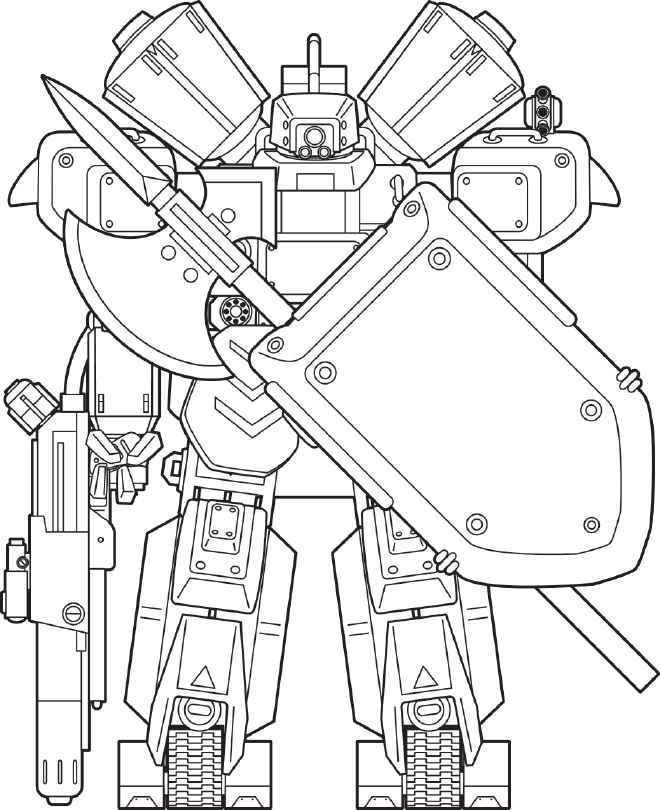
While the Kodiak Destroyer was designed to magnify the power of the Kodiak, the Northstar was designed to enhance its prestige. Even though the Northern Guard and Valeria have significantly fewer ceremonial events than the Southern Republican Army and Port Oasis, morale and special events remain important concerns and the Northstar exist because of these considerations. Using salvaged battlefield machines as a base, the Northstar was completely rebuilt with advanced targeting computers and experimental control systems provided by several corporations, including Hyperion Werks, making them very effective in combat but extremely expensive. The Northstars were armed with Sergon Optics laser rifles, custom made Northco Weapons heavy vibroblade halberds, and a variety of antipersonnel weapons. They usually carry large ceremonial shields emblazoned with the tripartite Confederated Northern City-States crest. This weapons layout was designed not only to be visually impressive on parade, but to be effective in the close urban quarters that the Northstar will be expected to fight when undertaking its primary duty of defending the heart of the CNCS. 

[Read More]
Categories: blitz hobby  Tags: HGB3.1 Kodiak 

The Victor Siege Tank

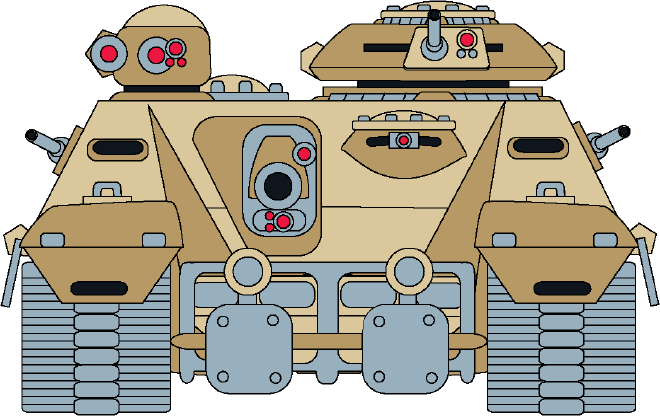
The WFP is the poorest league in the northern hemisphere. Because of this, the Protectorate has needed to be economical with its purchases and acquisitions. This frugality has led to a number of highly rugged designs and Westerners hold as a point of pride the ingenuity needed to keep many of them in service far longer than then expected. One major area of cost is in main battle tanks. The WFP, like its northern neighbors uses the Norlight Aller tank and supplements with its own unique designs as needed. The cost of a full tank and the advanced weapons have always put a strain on the Protectorates limited resources. The WFP looked to Western Armories to produce a cheap tank/siege vehicle that could be used in place of Allers or in support of them. Western Armories started with the basic Aller hull and made an extensive set of changes which resulted in the Victor self-propelled gun. The Victor, named after Cristobal Victor, a historic clan head from the Cristobal clan, was the answer. The cost savings on forgoing the use of a turret and several other features makes this tank cheap while its reputation against much more advanced tanks makes it popular. Brok Enterprises has been somewhat quiet about the use of the chassis for this new design. The fact that Western Armories buys the chassis from Brok before modification has somewhat soothed any ruffled feathers.

[Read More]
Categories: blitz background  Tags: HGB3.1 

The Celt Engineering Tank

EST-89 CELT

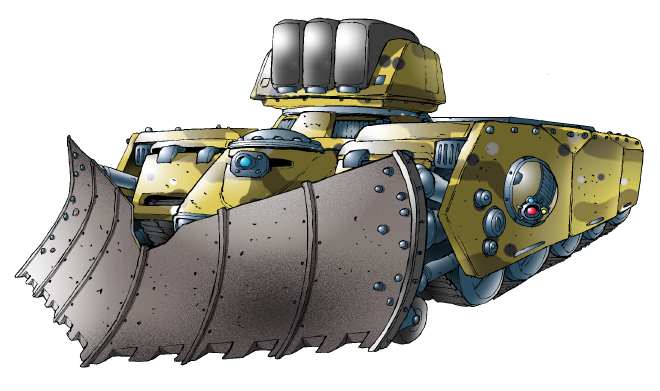
Minesweeping is a dangerous task, best handled by specialist units. The Celt has been designed especially for this purpose. The lower hull and drive train are based on the Hun, though considerable modifications have been made to reinforce the structure to face the requirements of the new operation role. The entire front section of the tank is occupied by a large armored mine plow. The sensor pods, which contain the highly sensitive mine detectors, are placed in blisters located on either side of the chassis. Extra armor is bonded to the bottom of the hull, providing extra protection against exploding mines. In addition, the low fuel capacity and the improved self-sealing tanks further reduce the chances of catastrophic detonation in case a mine slips by. The turret is replaced by a det-cord launcher which uses plastic explosive hoses carried by small rockets to clear a path through the suspected minefield area. Celts and other minesweepers are rarely encountered by grunts. The fluid battlefield and skirmish tactics used nowadays don’t mix well with extensive minefields.

[Read More]
Categories: blitz  Tags: HGB3.1 

The Baxter Engineering Tank and Thunder Aller

ENT-2 BAXTER

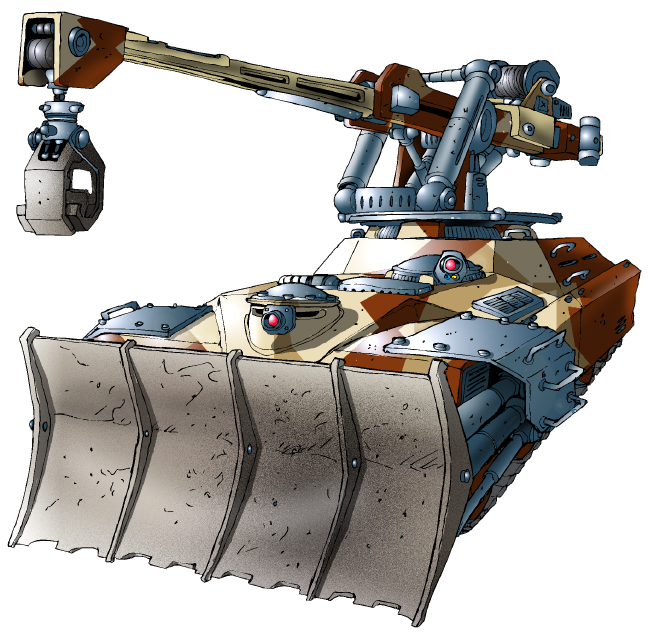
The Baxter answers a need for a dedicated battlefield “towtruck” capable of salvaging the heaviest Main Battle Tank. The Baxter is based on the chassis of the Klemm, the most common light battle tank in the Norlight army. In this case, however, the chassis has been extensively modified and strengthened for its new role. The engine and transmission have both been replaced by more powerful systems for an increased towing capacity. The turret is a new high torque model that carries a sturdy crane capable of lifting nearly 50 tons with the tank appropriately braced. A hydraulically activated earthmoving blade is attached to the front of the hull for filling in ditches and digging earthworks. Attachment points for digging cannons are provided on both sides of the hull, which also features numerous handles and tie- down rings. The Northern Guard engineering companies attached to mechanized units always have at least one Baxter in service, more if they can manage to get them. Since they are unarmed, Baxters are kept out of the way during battles.

[Read More]
Categories: blitz  Tags: HGB3.1